






























8 min2025-03-15
Best Smart Home Gadgets of 2025
Our curated selection of the most innovative smart home devices that will transform your living space.
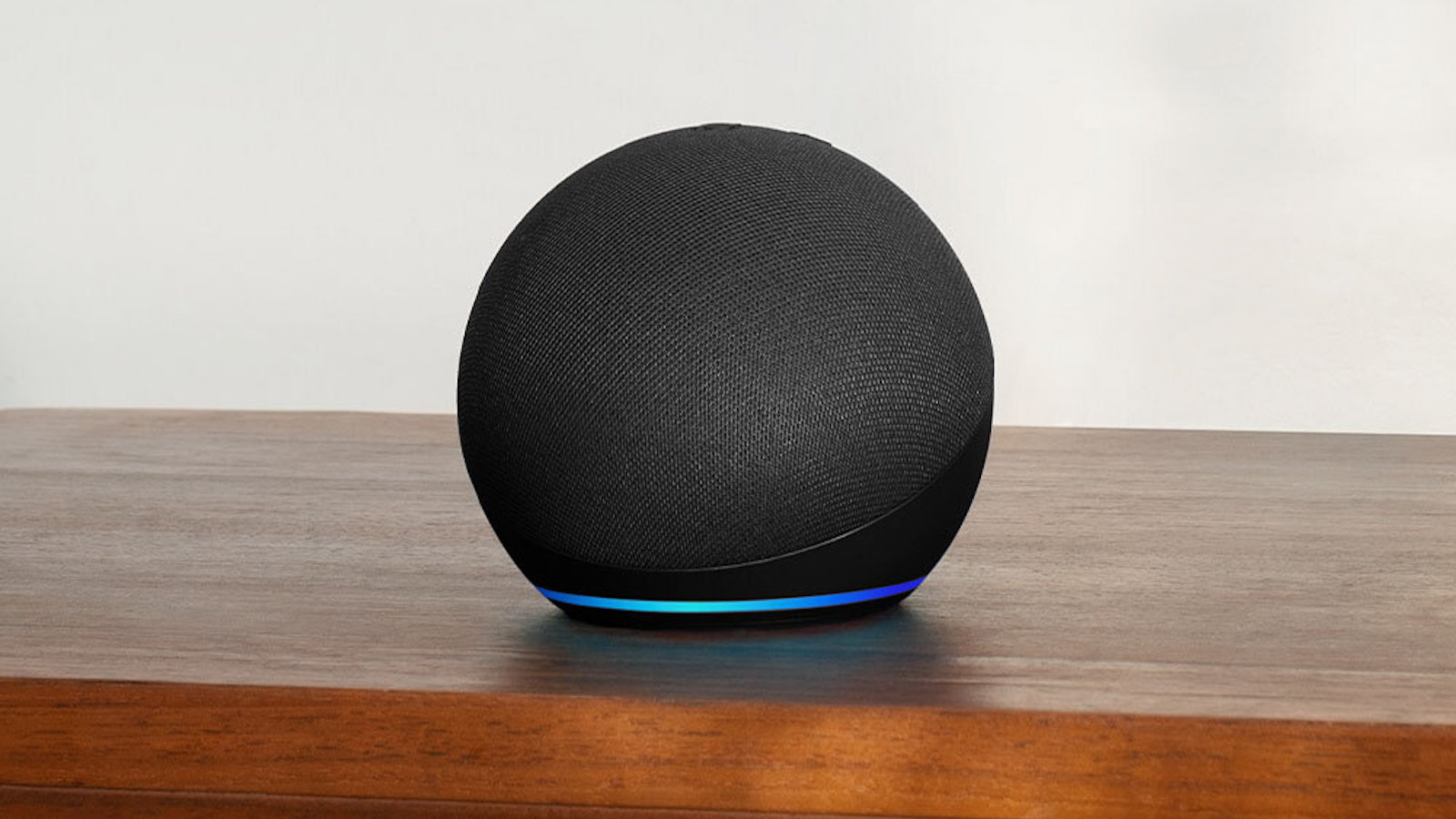
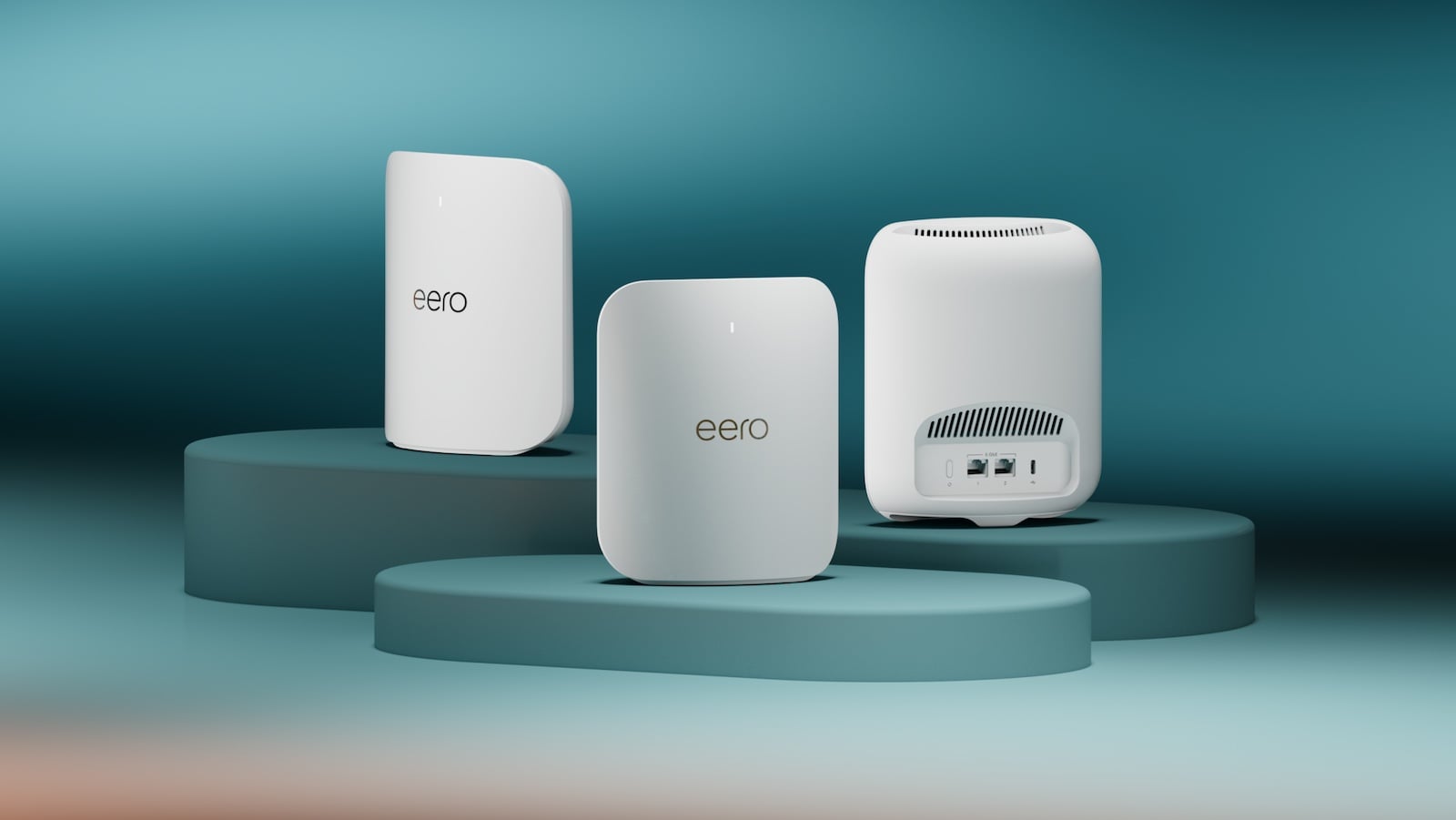
The Echo Dot 5th Gen sits at the entry tier of Amazon's own speaker lineup, below the Echo (4th Gen) full-size unit and well below the Echo Studio's 5-driver array. At $49.99, it competes directly with the Google Nest Mini (2nd Gen) and Apple HomePod Mini at three times the price — though that last comparison flatters neither product equally. The hardware choice that matters most here is the spherical enclosure carried over from the 4th Gen form factor, which Amazon has paired with a larger 1.73-inch front-firing driver compared to the 44mm unit in the prior version. That driver upgrade is the most substantive change in this generation. The 1.73-inch driver is a modest but real improvement over earlier Dot hardware — it shifts the low-end floor down enough to make spoken word and podcasts noticeably fuller, though bass extension below roughly 100Hz remains limited by physics. Don't expect flat response; Amazon voices the Dot with a mid-forward curve that prioritizes intelligibility, which is the right call for a voice-assistant primary device. Wi-Fi 5 (802.11 a/b/g/n/ac) handles 2.4GHz and 5GHz bands adequately for streaming at the bitrates Alexa uses — there's no local audio processing beyond wake word detection, so latency to the cloud on a solid network sits in the 300–600ms range. Bluetooth 5.0 with A2DP and AVRCP lets the unit pair as a Bluetooth speaker, though there's no aptX, LDAC, or AAC support — SBC only, which is a real ceiling for anyone hoping to use it as a secondary audio output from a phone. The built-in eero mesh node is a hardware inclusion that earns attention: the Dot can extend an eero mesh network without a separate device, which is a concrete, non-gimmick feature that differentiates it from the Nest Mini entirely. In daily use, the far-field mic array — seven microphones with beamforming — is the product's strongest suit. Wake word detection holds up at conversational distances even with music playing at moderate volume, reliably outperforming the Nest Mini's dual-mic setup in side-by-side tests. Streaming quality tops out at whatever Alexa's music partners deliver — Amazon Music HD sends up to 850 Kbps FLAC, which the speaker's internal DAC handles without issue, though the driver limits audible benefit above CD quality. The speaker maxes out around 85–88dB at 1 meter before distortion becomes audible in the upper mids. There's no 3.5mm output on this generation, which matters if pairing with a passive speaker was part of the plan. The eero mesh extension works only within an existing eero network — it's not a standalone router — and adds latency versus a wired node. The right buyer here is someone building out Alexa-native smart home routines who wants a low-profile room presence: bedroom, kitchen, or office where the speaker handles reminders, timers, and light control more than critical listening. The eero mesh feature is a genuine reason to choose this over the Nest Mini for eero households — it's essentially getting a mesh extender bundled into the speaker price. Audiophiles or even casual music listeners who care about stereo separation should step up to the Echo (4th Gen) pair or the Echo Studio. At $49.99, the Dot 5th Gen beats the Nest Mini on assistant capability and ecosystem depth; it loses on pure audio quality to the HomePod Mini at $99, which isn't a fair price comparison but is the relevant one if music is the priority.

Get our weekly roundup of the best new gadgets, exclusive deals, and editor's picks delivered straight to your inbox.
No spam. Unsubscribe anytime.